1
Partnering with Families
When schools and families team up, kids win!


Your voice matters—help us create a healthier school community!
Join the Northome School Wellness Committee!
We’re committed to supporting students, families, and our community with the tools and knowledge needed to build healthier, happier lives. We value diverse perspectives and approaches to wellness and believe everyone has something meaningful to contribute.
Ways to Get Involved:
Join the Committee: Email afrancisco@northome.k12.mn.us to become a member.
Stay Informed: Read our monthly wellness newsletters for program updates and events.
Attend Quarterly Meetings: Participate in our wellness committee meetings held four times a year.
Join Programs: Take part in free or low-cost wellness activities offered throughout the school year.
Have ideas or feedback?
Reach out to our Wellness Coordinator at afrancisco@northome.k12.mn.us.
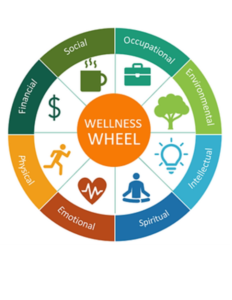
Wellness isn’t just one thing—it’s about caring for the whole child. Here’s how each dimension fits into our school’s wellness goals and programs.
1. Physical Health
What it means: Staying active, eating well, and getting enough sleep to feel strong and healthy.
How it connects: Our Move More, Learn Better goal builds in daily activity breaks and encourages fun movement, while Fueling Healthy Bodies and Minds focuses on nutritious meals and snacks.
2. Mental & Emotional Health
What it means: Learning to manage stress, build confidence, and develop a positive mindset.
How it connects: Our Mind Matters: Live More, Screen Less goal helps students learn healthy ways to cope with stress and balance technology with real-life connections.
3. Social Health
What it means: Building strong relationships and communication skills with friends, teachers, and family.
How it connects: Our wellness events and Partnering with Parents for Wellness goal bring families, staff, and students together to build stronger, supportive connections.
4. Intellectual Health
What it means: Engaging in creative thinking, problem-solving, and lifelong learning.
How it connects: Healthy bodies and minds fuel better focus and curiosity—our activity breaks and nutrition programs are designed to boost both learning and energy.
5. Environmental Health
What it means: Creating safe, positive, and supportive spaces for learning and play.
How it connects: Our school wellness policy ensures clean eating spaces, safe outdoor areas, and a healthy environment for all students.
6. Spiritual Health
What it means: Developing values, purpose, and inner balance—whatever that means to each individual and family.
How it connects: Through wellness challenges, gratitude walks, and reflection activities, we help students build a sense of purpose and kindness.
7. Occupational (School) Health
What it means: Finding satisfaction and balance in daily school life, just like adults do in their jobs.
How it connects: Our programs encourage fun, manageable routines—like brain breaks and healthy snacks—so students enjoy learning without feeling overwhelmed.
8. Financial Health
What it means: Learning to make smart, thoughtful choices with resources (like food or money).
How it connects: Our nutrition education includes real-world lessons about budgeting for healthy meals and making smart food choices, connecting life skills to wellness.
The Wellness Coordinator is responsible for creating and leading monthly Staff Wellness Initiatives throughout the school year, supported by district resources and NWSC Mini Grant funds. A strong staff wellness program is vital because healthy, supported teachers and staff are better equipped to create a positive, engaging learning environment for students. When educators take time to focus on their own physical, mental, and emotional well-being, they bring more energy, creativity, and patience into the classroom. This directly benefits students—improving their academic success, emotional support, and overall school experience.
By offering staff activities like stress management workshops, fitness challenges, or healthy snack programs, the district invests in the health of its team, which in turn strengthens the entire school community. Simply put, when staff feel their best, students
Check out our Staff Wellness Newsletters under the Resources Tab below to learn more of what the program is up to each year!
Our school is committed to keeping students healthy and energized by following nutrition guidelines for all food and beverages offered on campus, even those that are not sold, like classroom snacks or party treats. Here’s what families need to know:
Celebrations & Parties:
We follow SMART Snack standards for party foods, except for four major holidays: Halloween, Christmas, Valentine’s Day, and Easter.
Parents and staff are encouraged to use our Healthy Party Ideas list, which includes both nutritious treats and fun non-food celebration options (like games or small prizes).
Classroom Snacks:
Families will receive a list of approved snack and caffeine-free drink ideas that meet SMART Snack nutrition standards.
Teachers are asked to provide only individually packaged snacks that meet these guidelines.
Rewards & Incentives:
Food and drinks used as rewards (such as during monthly PBIS All-School events) must meet SMART Snack standards.
Staff are encouraged to use non-food rewards like extra recess, activity breaks, or Pride Slips.
Food will never be withheld as punishment for misbehavior.
Fundraisers & Marketing:
We offer families and staff a list of healthy fundraising ideas that support wellness.
All school marketing, from lunch menus to social media, will only promote foods and drinks that meet SMART Snack standards.
Nutrition Education:
Nutrition education is included in subjects beyond health class, aligning with Minnesota’s state science and health curriculum.
We’re proud to serve meals that fuel students for learning and play while supporting lifelong healthy habits!
Our school provides healthy, affordable, and appealing meals that meet all federal, state, and local nutrition standards. Students have access to free drinking water during meals and passing time and can choose from a variety of nutritious breakfast and lunch options served in clean, welcoming spaces. We make every effort to reflect the cultural, religious, and dietary needs of our students while ensuring they have enough time to enjoy their meals.
We are committed to making meal programs accessible for all students and take steps to remove any stigma for those receiving free or reduced-price meals. Families will receive information through JMC and mail to help determine eligibility and access support.
Any food or drinks sold outside of regular school meals—like a la carte items, vending, fundraisers, or school store snacks—must meet USDA SMART Snack standards. These standards ensure that all foods offered at school help students develop healthy eating habits and support overall wellness.
Our food service team is professionally trained and follows all food safety guidelines. Ongoing staff development ensures they prepare meals that are nutritious, safe, and student-friendly, all while meeting USDA nutrition standards.
1. Approval and Sharing
Once the school board approves the wellness policy, it is shared on our district website so families and community members can easily find and read it (Please see Resources Tab below).
2. Keeping You Informed Every Year
Each school year, the Wellness Coordinator provides updates about the policy’s progress and any changes. These updates are shared through our website and parent messaging system (JMC).
3. The Big Wellness Check-In (Every 3 Years)
At least once every three years, the district carefully reviews how well the wellness policy is being followed. This review is called the Triennial Assessment and looks at the following components:
How our school is meeting the wellness goals.
How our policy compares to recommended wellness standards.
The progress made toward improving student and staff wellness.
4. Sharing the Results
The findings from this three-year review are shared publicly by posting a report on the school district website (see report in Resources Tab below) so everyone can see our progress.
5. Keeping Records and Staying Transparent
The district keeps detailed records of the wellness policy, community involvement, the three-year reviews, and any updates. This helps us stay organized and open about our efforts.
6. Your Role Matters!
Families, students, staff, and community members are encouraged to join the Wellness Committee to share ideas, give feedback, and help shape future wellness programs.